There is a lot of writing about Lisbon as a place to visit and much less about Lisbon as a place to live, which are different experiences. This is an attempt at the second one, including the parts that are less flattering.
Can you drink the tap water?
Yes. Lisbon's tap water is treated to EU standards, tested constantly and entirely safe to drink. This is the single most common question people ask before moving and the answer is boring.
It is slightly hard and some people find it tastes faintly of chlorine, which is a matter of preference rather than safety. A cheap filter jug fixes the taste if it bothers you. Buying bottled water is an expensive habit that is not necessary here.
Is Lisbon safe?
Portugal consistently ranks among the safest countries in the world on the Global Peace Index, and Lisbon is a city where walking home alone at night is normal for most people in most areas. Violent crime is rare.
Pickpocketing is the real risk and it is concentrated exactly where you would expect: the 28E tram, Rossio, Baixa, Santa Apolónia, and any crowd. It is opportunistic rather than aggressive. Keep your phone off the café table and out of your back pocket and you will almost certainly never have a problem.
You will be offered drugs on Rua Augusta and around Cais do Sodré with some regularity. It is a scam rather than a threat, what is being sold is not what it is claimed to be, and a firm no is the end of it.
The winters are the thing nobody warns you about
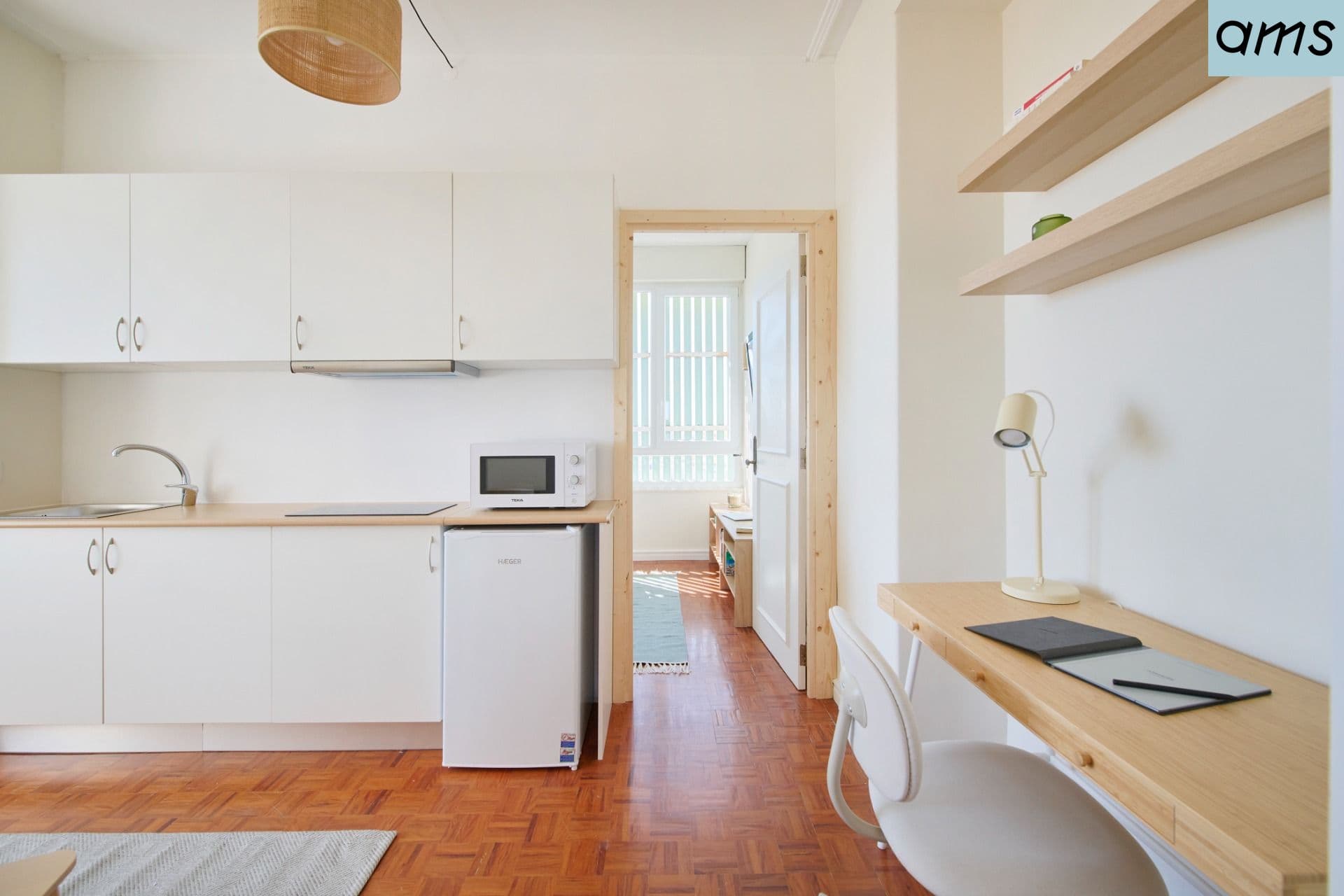
Lisbon's reputation is sunshine, and the summers deliver. The winters are the surprise. It rarely drops below eight or nine degrees, which sounds mild, but Portuguese housing stock was built for heat rather than cold: single glazing, no central heating, tiled floors, and walls that hold damp.
The result is that a Lisbon flat in January can be colder inside than out, and noticeably damper. People who have moved from Scandinavia or Scotland routinely say they have never been as cold indoors as their first Portuguese winter.
This is worth asking about before you sign anything. Find out whether there is heating, what kind, and whether the room gets direct sun. It is the difference between a pleasant winter and three months of wearing a coat indoors.
Do you need Portuguese?
To live comfortably, no. English is very widely spoken in Lisbon, particularly by anyone under forty and in any context involving students or business. You can get through a year without learning any Portuguese and plenty of people do.
To live well, it helps enormously and it is noticed. Portuguese people are generally delighted by any attempt, however poor. The bureaucracy (Finanças, the câmara, the health centre) is where the lack of it bites hardest, and where having someone local who can help is genuinely valuable.
European Portuguese is harder to hear than Brazilian Portuguese, which trips up people who learned from apps. Give your ear a few months.
The hills, the tiles and the practical stuff
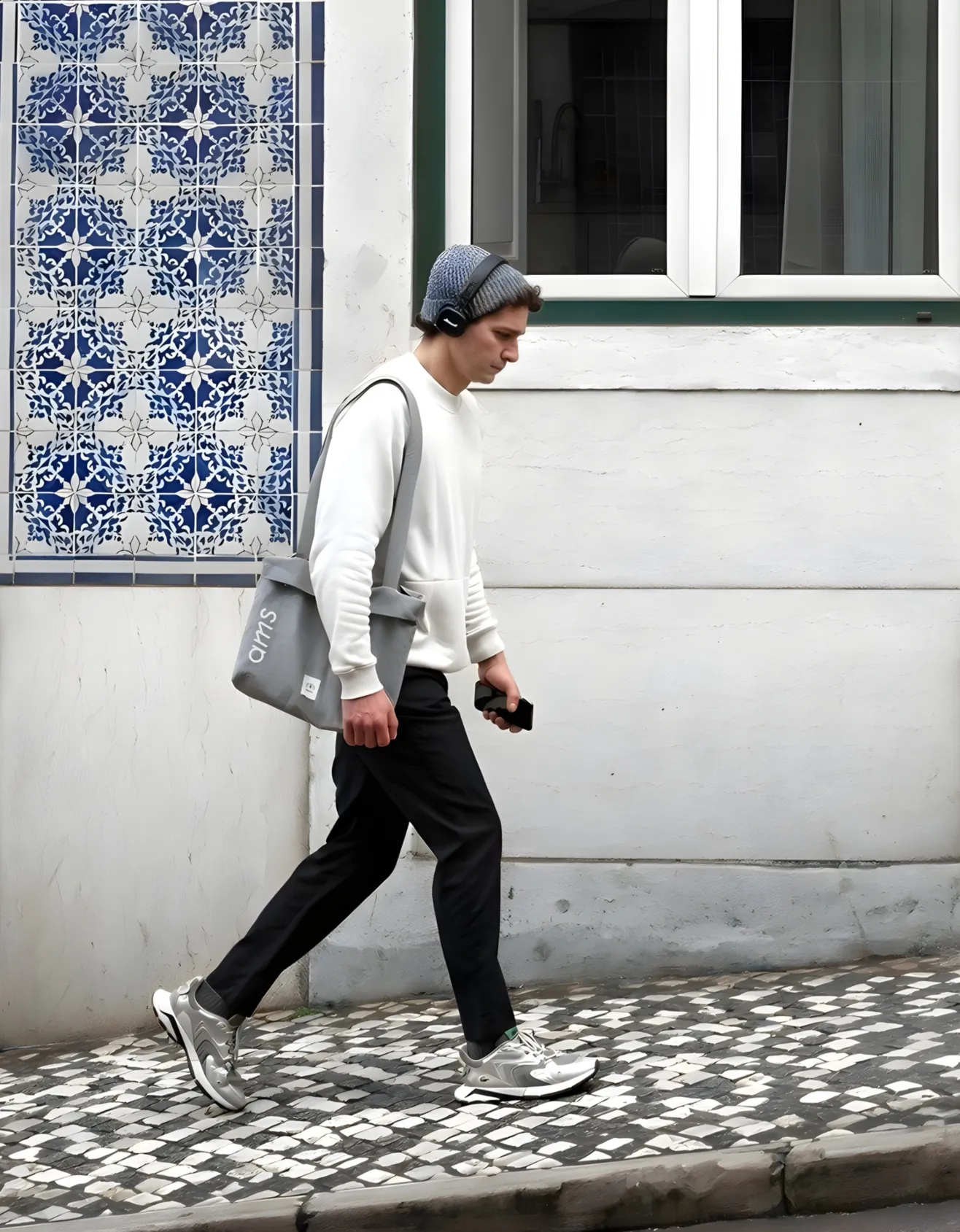
Lisbon is built on hills and paved in calçada, small limestone cobbles, beautiful and lethally slippery in the rain. Shoes with grip are a genuine quality-of-life purchase. So is checking, before you take a room, how far uphill it is from the metro.
Lunch is the big meal and is very cheap if you eat the prato do dia. Dinner is late by northern European standards. Shops close earlier than you expect and Sundays are quiet. Bureaucracy runs on tickets and queues; go early.
- Tap water: safe, drinkable, mildly chlorinated
- Safety: very safe; watch for pickpockets in tourist crowds
- Winter: mild outside, cold indoors, check for heating
- Language: English widely spoken; Portuguese helps with bureaucracy
- Transport: €40/month covers everything
Healthcare, and what to do before you need it
Portugal has a national health service, the SNS, and it is decent and cheap. EU citizens are covered by the EHIC for anything urgent. Everyone staying long-term should register at their local centro de saúde once they have an address, it takes one visit and it is the difference between a €5 appointment and a private clinic.
Private clinics are widely used and inexpensive by northern European standards: a GP appointment without insurance is typically €40–60, and you will usually be seen the same week. Many people run both, using the SNS as the backstop and private for speed.
Pharmacies are excellent and pharmacists are qualified to advise on far more than in the UK or US. For anything minor, the farmácia is the first stop rather than a doctor.
The uncomfortable part: what it costs, and for whom
Lisbon has become substantially more expensive over the last decade, and wages have not followed. The Portuguese minimum wage sits far below what a central one-bedroom flat costs, which means a great many people who grew up in this city can no longer afford to live in it.
If you are arriving on a foreign salary or a family budget, you are arriving into that context. It is worth knowing, and worth being a decent neighbour about, learning some Portuguese, using local businesses, not treating the city as a backdrop.
None of which is a reason not to come. It is a reason to come with your eyes open.
Would people recommend it?
Overwhelmingly yes, with caveats that are mostly about cost. Rents have risen far faster than local wages over the last decade, which has made the city harder for the people who grew up in it, worth being conscious of if you arrive on a foreign salary.
What people who stay tend to cite: the light, which is genuinely different; the fact that the ocean is half an hour away; how easy it is to meet people; and that it is a capital city you can cross on foot. What they complain about: damp flats in winter, bureaucracy, and the hills.