What a NIF actually is
It is a tax identification number issued by the Autoridade Tributária. It is not a residence permit, not a visa and not proof of anything about your immigration status, it simply identifies you to the tax office. Both residents and non-residents can hold one.
You will be asked for it when you open a bank account, sign a phone or utility contract, sign a long-term lease, buy anything substantial, or get paid by a Portuguese entity. Shops will also ask whether you want it on your receipt; you can always say no.
How to get one
If you are already in Portugal, you can apply in person at a Finanças office or a Loja do Cidadão. Take your passport and proof of address in your home country. It is free and usually issued the same day, though the queue can be long, take a ticket early.
If you are outside the EU, or applying from abroad, you will normally need a fiscal representative resident in Portugal. Plenty of services will act as one for a fee, typically €80–150 for the first year. If you will be living here, this requirement falls away once you have a Portuguese address registered.
If you are an EU citizen applying in person with an EU address, no representative is needed.
What you can do before you have one
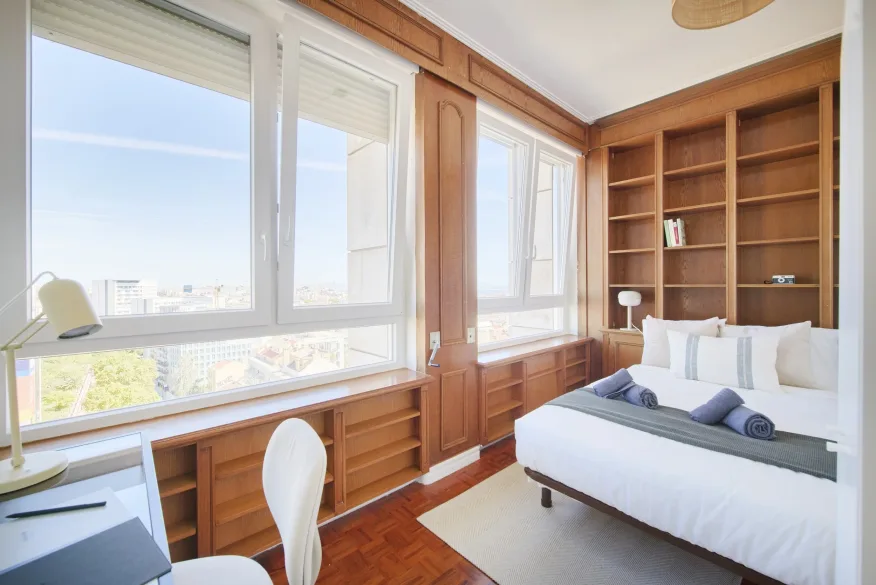
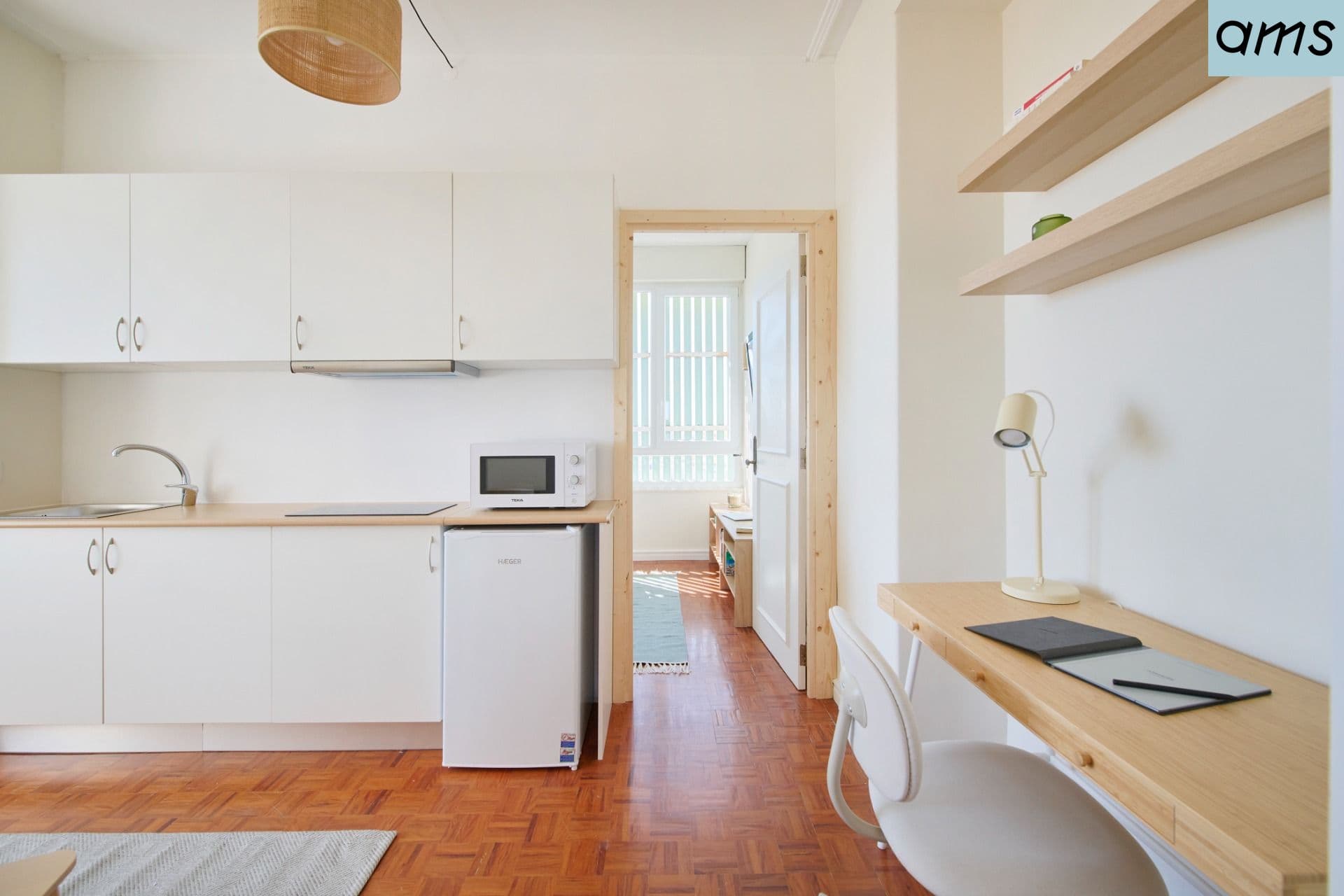
This is the part most guides skip. You do not need a NIF to book a room with AMS. Our booking is completed online, with no Portuguese tax number, no Portuguese guarantor and no local bank account, which is deliberate, because the ordinary rental market requires all three and that is precisely the chicken-and-egg problem new arrivals hit.
The usual trap is this: to rent a flat you need a NIF and a bank account; to open a bank account you often want a Portuguese address; to have an address you need somewhere to live. Booking accommodation that does not require a NIF breaks the loop. You then get the NIF at your leisure, with your Lisbon address in hand.