What a landlord will ask for
For a standard long-term lease (contrato de arrendamento), expect to be asked for a Portuguese NIF, a Portuguese bank account, proof of income at roughly three times the rent, one to three months of deposit plus the first month up front, and very often a fiador, a Portuguese guarantor who becomes liable if you do not pay.
The guarantor is the requirement that stops most international arrivals. If you do not already have family or a long-standing employer in Portugal, you simply cannot produce one, and no amount of savings substitutes for it in many landlords' eyes.
Standard leases run twelve months minimum, often longer, with penalties for early exit.
How the market moves
Listings go fast, particularly between July and September when the academic year turns over. Viewings are often group viewings. Agents may ask for documents before they will show you anything, and asking prices are frequently not the final price.
Rents have risen sharply over the last decade. Expect the cheapest genuine private room in a central neighbourhood to start somewhere around €400–500 a month, with utilities usually on top of that.
The routes that skip most of it
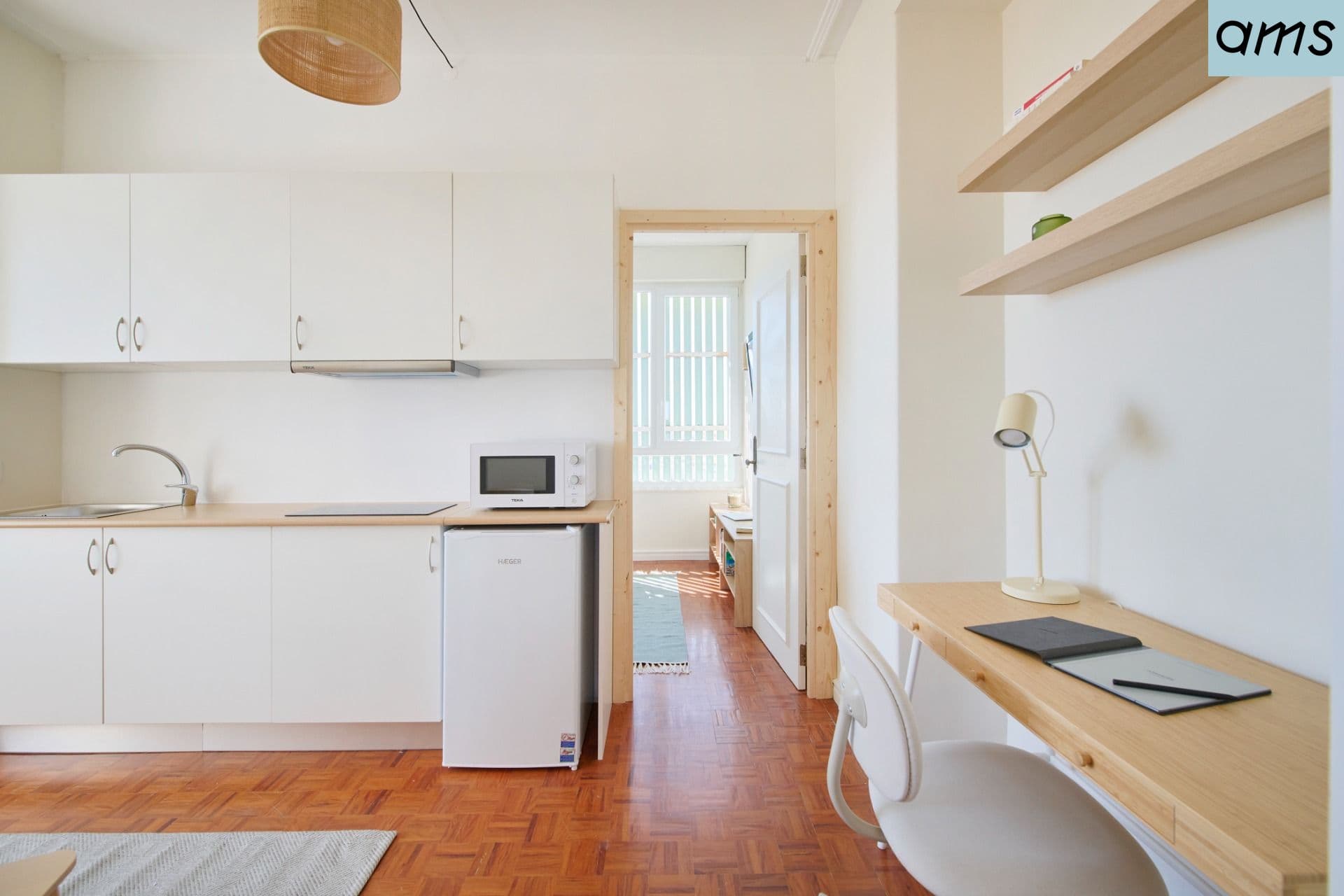
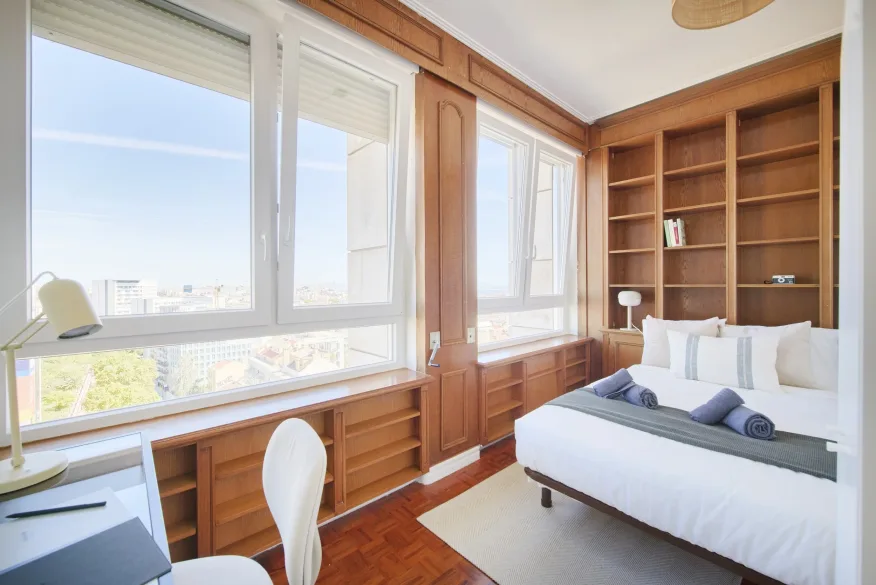
Room rentals and coliving sit outside the standard lease process. You rent a room rather than a whole property, the operator holds the head lease, and the requirements are much lighter. With AMS specifically there is no Portuguese guarantor, no local bank account and no mandatory twelve months, the booking is completed online before you arrive.
The trade-off is honest: you are sharing a kitchen and living room, and you are not building a tenancy history in your own name. For a first year in the city, for a semester, or while you work out which neighbourhood you actually want, most people find that a good trade.